Brick vs. Stone Tuckpointing: Key Differences for Commercial Projects
People searching for brick vs. stone tuckpointing: key differences for commercial projects often want to understand which material suits their needs, and local contractors can help determine the best approach.
If you are exploring options for tuckpointing on commercial properties, understanding the differences between brick and stone tuckpointing can be essential for making informed decisions. Property owners in the area might find this topic relevant when considering restoration or maintenance projects that impact the structural integrity and aesthetic appeal of their buildings. Recognizing how each material interacts with mortar and how they respond to environmental factors can help determine the most suitable approach. Local contractors specializing in tuckpointing services can provide insights tailored to your property's needs, ensuring that the work enhances durability and appearance.
Delving into the key distinctions of brick versus stone tuckpointing can also shed light on practical considerations for your project. Whether aiming to preserve historical features or modernize a façade, understanding these differences supports choosing the right method and materials. Many local service providers are experienced in handling both types, offering expertise that aligns with the specific requirements of commercial properties. Continuing to explore this topic can help property owners make confident decisions about maintenance strategies that protect their investments and uphold the property's value.
- Commercial brick buildings - when restoring or maintaining brick facades, local contractors focus on matching mortar and preserving the traditional appearance.
- Historic stone structures - for preserving or repairing stone exteriors, local pros use specialized techniques to ensure structural integrity and aesthetic consistency.
- Brick veneer installations - during new brick veneer projects, service providers emphasize proper tuckpointing to improve durability and visual appeal.
- Stone veneer accents - for adding or repairing stone veneer features, local contractors tailor their approach to match existing stonework and enhance stability.
- Mixed-material commercial facades - when working on buildings combining brick and stone, local pros adapt their methods to address the unique requirements of each material.
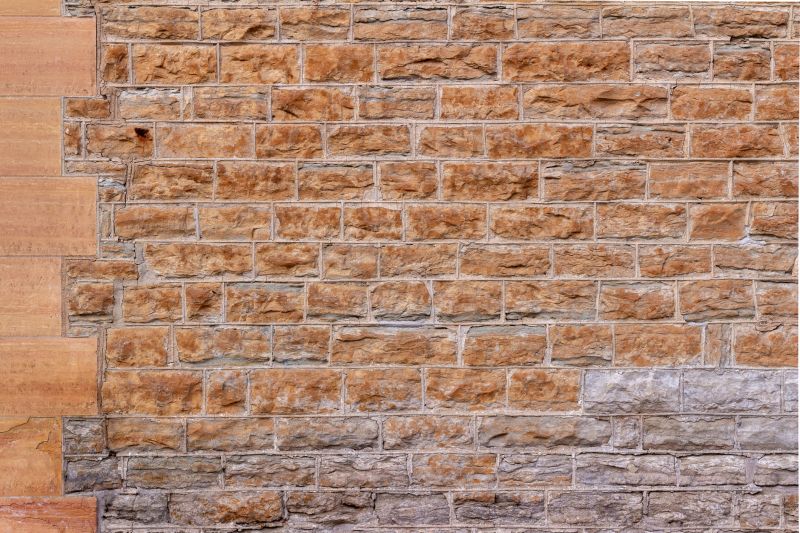
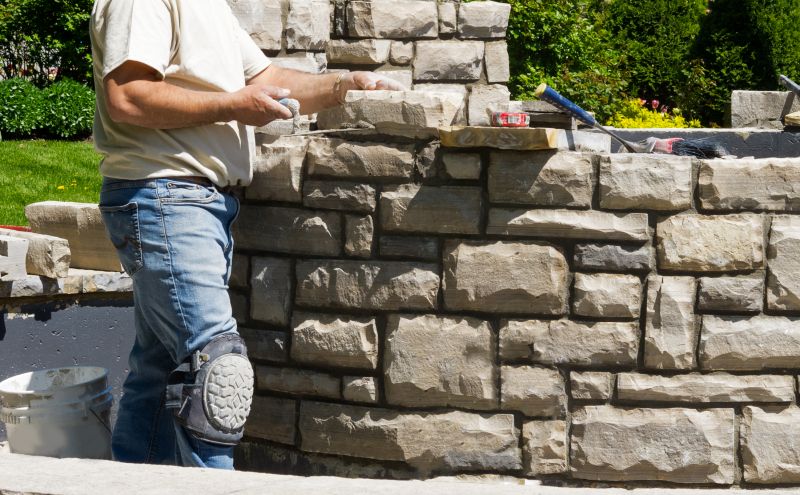
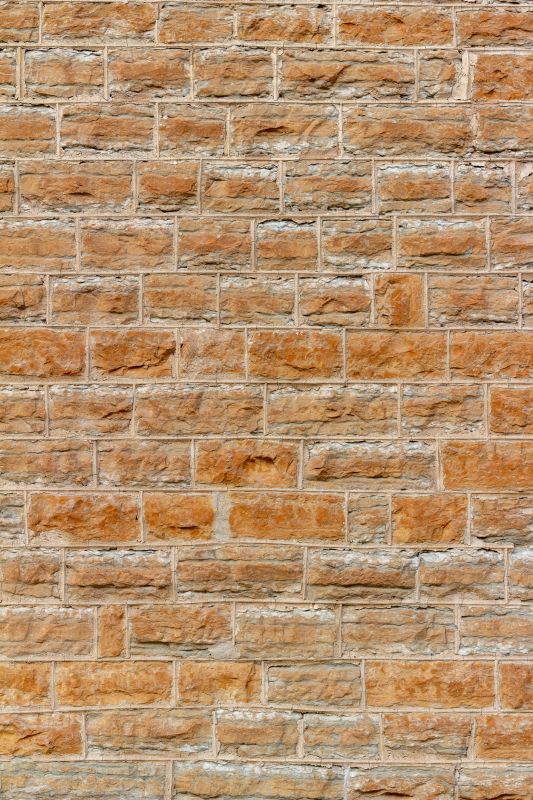
When people search for brick vs. stone tuckpointing: key differences for commercial projects, they are often trying to understand which material and technique best suit their property's needs. This topic typically comes up during planning for repairs, restorations, or renovations involving exterior masonry. Property owners may notice deterioration, cracks, or mortar decay and want to know whether to opt for tuckpointing that matches their existing brick or stonework, or to consider a different approach. The goal is to preserve the building’s appearance and structural integrity while selecting the most appropriate materials and methods for the specific type of masonry involved.
This subject relates closely to a variety of property issues and renovation plans, especially those involving older or historic commercial buildings, retail centers, or office complexes. Problems such as mortar deterioration, water infiltration, or aesthetic inconsistencies can prompt property owners to seek out tuckpointing services. Deciding between brick or stone tuckpointing often hinges on the existing exterior materials, the desired visual outcome, and the structural demands of the project. Local service providers who specialize in tuckpointing can assess these factors and recommend solutions that match the property's original design or meet current durability standards.
Commercial properties that frequently come up in discussions about brick vs. stone tuckpointing include brick storefronts, masonry facades, and stone-clad building exteriors. These types of properties often require careful matching of mortar color, texture, and material composition to maintain their visual appeal and structural soundness. Tuckpointing is a common repair method used to restore mortar joints, improve appearance, and extend the lifespan of the masonry. Property owners working on such projects benefit from consulting local contractors who understand the nuances of brick versus stone work, ensuring that repairs blend seamlessly with the existing architecture and meet the demands of commercial use.
Understanding the differences between brick and stone tuckpointing helps property owners make informed decisions about their repairs and renovations. Brick tuckpointing typically involves replacing or restoring mortar joints in brick walls, emphasizing color matching and joint profile to preserve the traditional look. Stone tuckpointing, on the other hand, often deals with larger, more irregular surfaces, requiring specialized techniques to handle the unique textures and material properties of natural stone. Local contractors experienced in both types of tuckpointing can evaluate the specific needs of a commercial property, recommend suitable materials, and execute repairs that protect the building’s integrity while maintaining its aesthetic character.
Brick Restoration Projects - Local contractors specializing in brick restoration often handle tuckpointing to preserve the aesthetic and structural integrity of historic brickwork in commercial buildings.
Stone Masonry Repairs - Skilled stone masons frequently perform tuckpointing on natural stone surfaces, requiring similar planning and tools as those used in stone tuckpointing for commercial projects.
Historic Building Preservation - Preservation projects for historic structures often involve detailed tuckpointing work to match original mortar joints, utilizing expertise in both brick and stone materials.
Exterior Wall Repointing - Commercial exterior wall repointing services often include tuckpointing to improve durability and appearance, with local service providers able to handle both brick and stone surfaces.
Masonry Restoration Services - Masonry restoration projects that involve repairing or replacing mortar joints require skills similar to those used in tuckpointing for brick vs. stone applications.
Facade Repair and Maintenance - Maintaining and repairing building facades often involves tuckpointing, where understanding the differences between brick and stone is crucial for proper planning and execution.
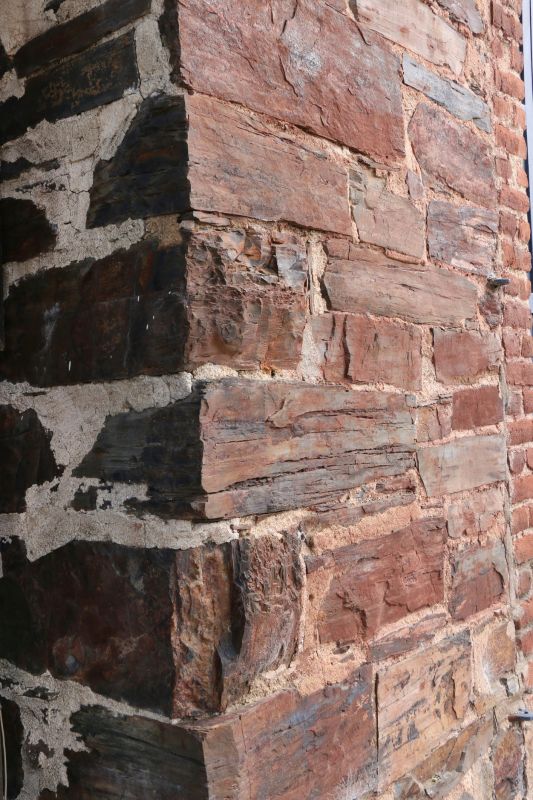
When evaluating contractors for brick vs. stone tuckpointing, it is essential to consider their experience with similar commercial projects. Homeowners should inquire about the types of buildings and materials the service providers have worked on in the past, ensuring they have a solid understanding of the specific challenges associated with each material. An experienced contractor will be familiar with the unique techniques required for brick versus stone tuckpointing, helping to ensure the work is performed correctly and durably. Reputable local contractors often provide references or portfolios that highlight their expertise in projects comparable to the scope and materials involved, offering insight into their capabilities and quality of work.
Clear, written expectations are crucial when comparing local pros for tuckpointing services. Homeowners should seek detailed proposals that outline the scope of work, materials to be used, and any specific methods or techniques that will be employed, especially considering the differences between brick and stone. Having these expectations documented helps prevent misunderstandings and provides a benchmark for evaluating bids. Good communication from the service provider during the quoting process can also indicate their professionalism and willingness to address questions or concerns, which is especially important for complex commercial projects involving different materials.
Reputable local contractors prioritize good communication and transparency throughout the project. When comparing options, homeowners should look for providers who are responsive, willing to explain the differences in techniques for brick versus stone tuckpointing, and who can offer clear guidance on what to expect at each stage. Reliable service providers often have references that can speak to their ability to keep clients informed and involved, which can be especially valuable in commercial settings where project coordination and clarity are critical. Choosing a contractor who communicates effectively can help ensure the project proceeds smoothly and meets the specific needs of the building’s material and design requirements.
Property owners often search for brick vs. stone tuckpointing: key differences for commercial projects when they are planning practical projects around their homes and businesses. Local pros provide Brick vs. Stone Tuckpointing services for everyday jobs and straightforward project options.
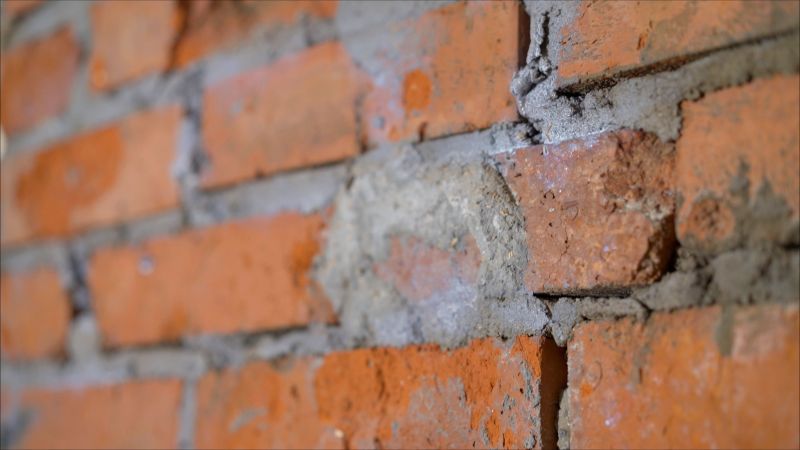
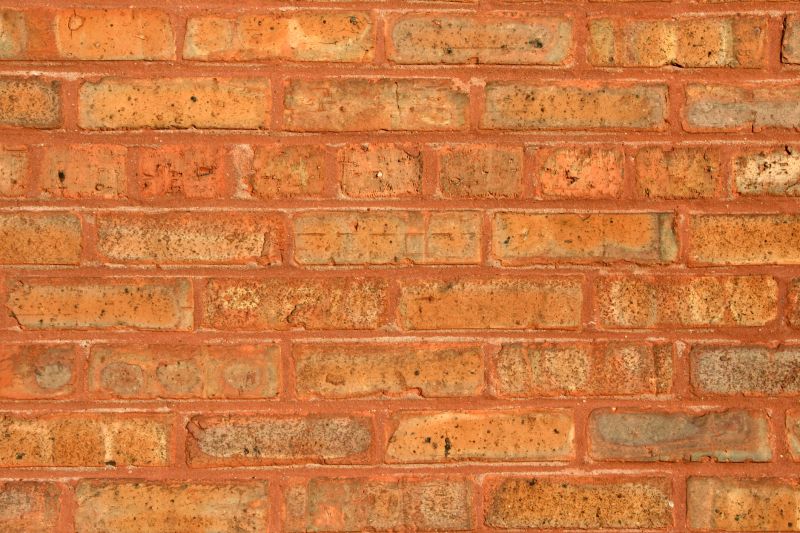
Understanding the differences between brick vs. stone tuckpointing is a common concern for property owners managing commercial buildings. When masonry shows signs of deterioration, such as crumbling mortar or cracks, deciding on the right approach can impact both the appearance and longevity of the structure. Local contractors who specialize in tuckpointing can help evaluate the specific needs of the project, whether it involves restoring brick or stone facades, and recommend the most suitable repair methods based on the materials involved.
For property owners considering tuckpointing services, knowing the key distinctions between brick and stone work can influence the choice of service provider. Brick tuckpointing often focuses on matching the existing mortar color and texture to maintain a uniform look, while stone tuckpointing may require more careful attention to the natural variations in stone surfaces. Local service providers experienced in both types of work can provide tailored solutions that address the unique characteristics of each material, ensuring the repairs blend seamlessly with the building’s original design.
What are the main differences between brick and stone tuckpointing for commercial projects? Brick tuckpointing typically involves repairing or restoring the mortar joints in brick walls, while stone tuckpointing focuses on maintaining the mortar in stone masonry. The materials and techniques used vary based on the type of masonry, affecting the appearance and durability of the finished work.
How does the choice between brick and stone tuckpointing impact the longevity of a building’s facade? The durability of brick versus stone tuckpointing depends on the materials' inherent strength and the quality of the repair. Local contractors can assess the existing masonry to recommend the most suitable approach for long-lasting results.
Are there specific considerations when choosing tuckpointing services for brick versus stone structures? Yes, brick and stone require different mortar mixes and application methods. Experienced service providers understand these differences and can tailor their techniques to ensure proper adhesion and aesthetic matching.
Can local pros handle tuckpointing for both brick and stone commercial buildings? Many local contractors are skilled in working with both brick and stone masonry, providing specialized services to address the unique needs of each material type for commercial projects.
What factors should be considered when deciding between brick and stone tuckpointing for a commercial property? Factors include the existing masonry material, structural condition, desired appearance, and environmental exposure. Consulting with local pros can help determine the most appropriate tuckpointing approach for the project.
Understanding material differences - Property owners can explore how brick and stone materials vary in appearance and durability to choose the best option for their commercial project with help from local contractors.
Assessing project scope - Recognizing whether brick or stone tuckpointing suits the size and complexity of a building can guide decisions when working with local service providers.
Matching aesthetic goals - Considering the visual style of a commercial property helps owners select between brick and stone tuckpointing, with local pros providing expert advice on design compatibility.
Evaluating longevity and maintenance - Property owners can consider how each material responds to environmental factors and maintenance needs, with local contractors offering insights into long-term performance.
If you are thinking about brick vs. stone tuckpointing: key differences for commercial projects for a property, this guide is meant to help you understand this topic, the typical project types, and how different options might fit your plans.
When you are ready, you can use the quote form on this page to share a few details about your project. From there, local pros can review the basics and follow up with options that match what you have in mind.