Get Tuckpointing Repair in Boston, MA
Tuckpointing repair services help Boston property owners fix cracked or deteriorated mortar joints, restore brickwork, and prevent structural issues in historic and modern buildings.
Property owners in Boston, MA, often find themselves considering tuckpointing repair to maintain the structural integrity and appearance of their buildings. With the city’s historic architecture and aging brickwork, timely maintenance can help prevent more extensive damage and preserve the value of a property. Exploring local contractors who specialize in tuckpointing can provide options tailored to the unique needs of Boston’s buildings, ensuring that repairs are both durable and visually consistent with the surrounding architecture.
For those planning renovation projects or routine upkeep, understanding the range of services available nearby can make the process smoother. Comparing different service providers allows property owners to identify experienced professionals capable of addressing specific issues with mortar joints and brickwork. Continuing to read can help uncover insights about local options, making it easier to find trusted contractors equipped to handle tuckpointing repairs effectively.
- Tuckpointing Repair - needed when mortar joints show signs of deterioration or cracking in historic neighborhoods like Back Bay or South End.
- Repointing Brickwork - required when mortar has become loose or crumbling around residential or commercial buildings in downtown areas.
- Mortar Joint Restoration - necessary to preserve the structural integrity of brick facades that are experiencing weather-related damage in Boston neighborhoods.
- Brick and Masonry Repair - essential when mortar joints are failing, exposing bricks to moisture and potential damage in areas like Charlestown or Dorchester.
- Structural Tuckpointing - advised for buildings with compromised mortar that threaten the stability of brick walls in historic districts.
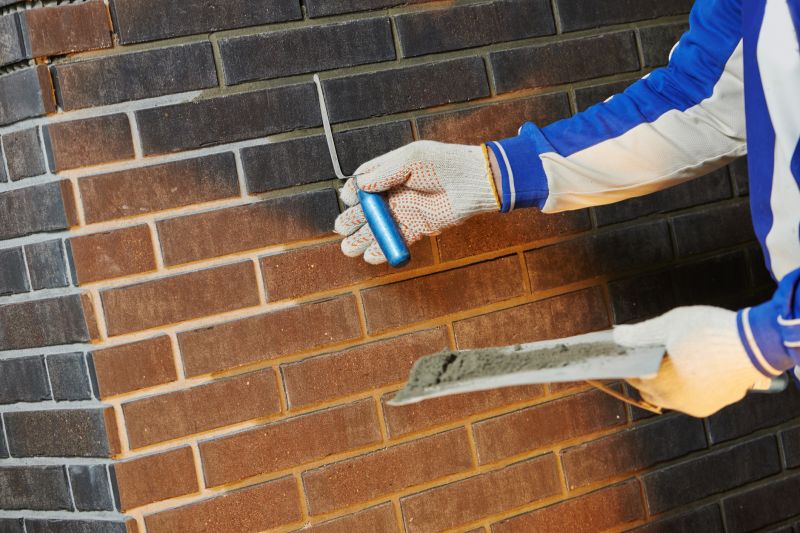
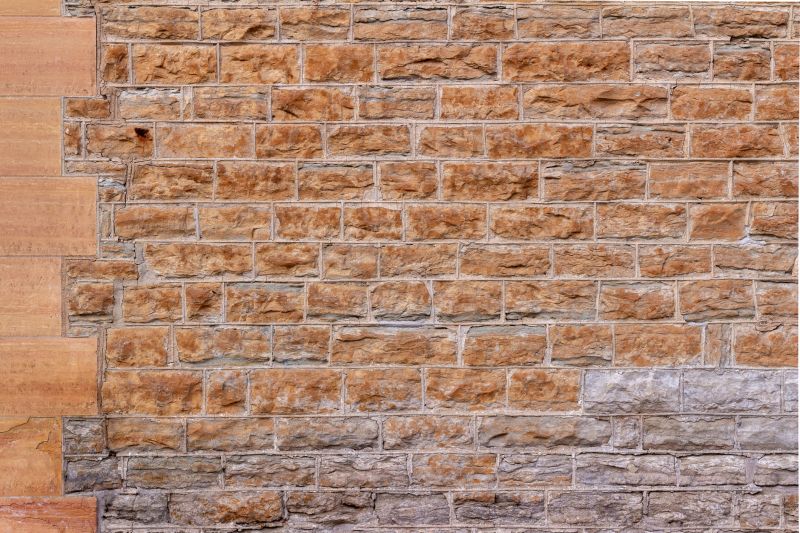
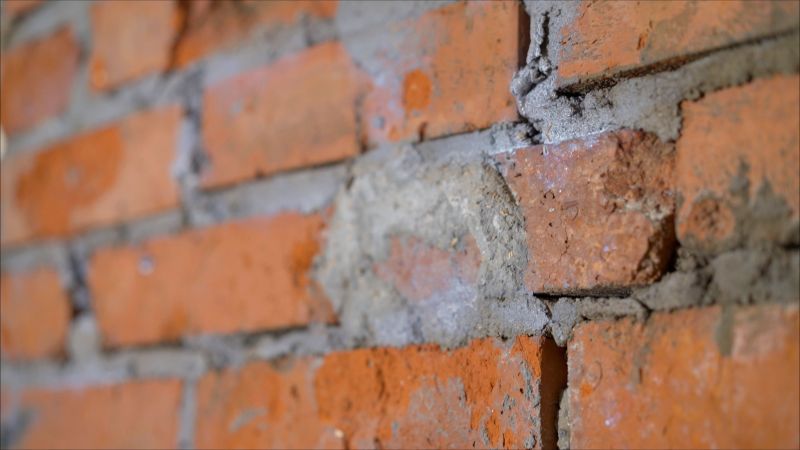
Tuckpointing repair involves the process of removing deteriorated mortar from between bricks or stones and replacing it with fresh mortar. This service is essential for maintaining the structural integrity and appearance of masonry surfaces on residential and commercial properties. Skilled contractors carefully chip away the old, crumbling mortar and apply new mortar that matches the existing joints, helping to restore the stability and visual appeal of the masonry work. Proper tuckpointing not only improves the look of a building but also helps prevent further damage caused by water infiltration and weather exposure.
Over time, mortar joints can weaken due to exposure to harsh weather conditions, such as freeze-thaw cycles common in Boston, MA. Cracks, gaps, or missing mortar can develop, leading to water seepage that can cause internal damage or deterioration of the bricks themselves. Tuckpointing addresses these issues by sealing the joints, preventing moisture from penetrating the structure. It also helps to eliminate unsightly cracks and deterioration, which can detract from a property's curb appeal and potentially lead to more costly repairs if left unaddressed.
This service is frequently used on a variety of properties, including historic brick homes, apartment buildings, commercial storefronts, and other masonry structures. Older buildings often require tuckpointing to preserve their original appearance and structural soundness. Homeowners who notice crumbling mortar, cracks in brickwork, or water stains on interior walls may find that tuckpointing is a practical solution. It is also a common maintenance step for property managers and building owners seeking to extend the lifespan of their masonry and maintain a tidy, well-kept exterior.
Property owners in Boston and surrounding areas typically turn to local contractors for tuckpointing repairs when they observe signs of mortar deterioration. This service helps solve problems like loose or falling mortar, water infiltration, and aesthetic issues caused by aging or damaged joints. Whether for a historic home or a commercial building, professional tuckpointing can be a crucial part of masonry maintenance, ensuring the structure remains stable, attractive, and protected from the elements. Contacting experienced service providers can help identify the specific needs of a property and ensure the work is done correctly.
The overview below groups typical Tuckpointing Repair projects into broad ranges so you can see how smaller, mid-sized, and larger jobs often compare in Boston, MA.
In many markets, a large share of routine jobs stays in the lower and middle ranges, while only a smaller percentage of projects moves into the highest bands when the work is more complex or site conditions are harder than average.
Smaller Repairs - typical costs for minor tuckpointing work on small sections of brickwork usually range from $250-$600. Many routine repairs fall within this middle range, depending on the extent of the damage and accessibility.
Moderate Projects - larger, more involved tuckpointing jobs, such as repairing entire walls or sections of a building, often cost between $1,000-$3,000. These projects are common for residential facades and can vary based on size and complexity.
Full Wall or Masonry Restoration - extensive tuckpointing or restoration work for large areas can reach $3,500-$7,000 or more. Fewer projects push into this higher tier, typically involving historic buildings or extensive damage.
Full Replacement - complete tuckpointing or brick replacement for an entire structure can exceed $10,000. Such projects are less frequent and usually involve significant structural or aesthetic restoration needs.
Actual totals will depend on details like access to the work area, the scope of the project, and the materials selected, so use these as general starting points rather than exact figures.
Brick Repointing - this project involves removing and replacing damaged mortar joints, requiring similar skills in masonry and surface preparation as tuckpointing repair.
Chimney Repair - repairing or restoring masonry chimneys involves working with brick and mortar, utilizing tools and planning similar to tuckpointing services.
Facade Restoration - restoring building exteriors with masonry elements demands expertise in surface cleaning, mortar matching, and structural assessment akin to tuckpointing.
Stone Masonry Repair - fixing or restoring stone surfaces requires precise mortar application and surface planning, paralleling the skills used in tuckpointing projects.
Structural Crack Repair - addressing cracks in masonry walls involves understanding masonry integrity and surface treatments similar to tuckpointing techniques.
Historical Masonry Preservation - working on historic buildings involves careful mortar matching and surface work, sharing skills with modern tuckpointing repair services.
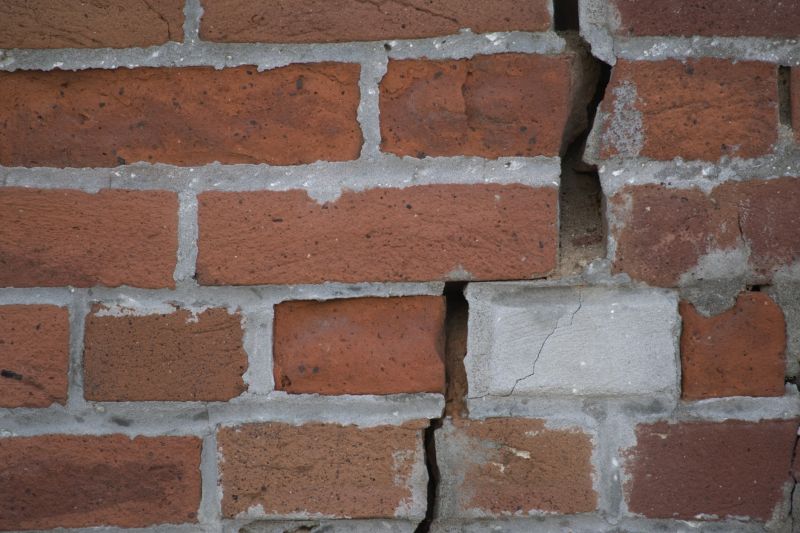
When evaluating service providers for tuckpointing repair, it’s important to consider their experience with similar projects. Homeowners should look for local contractors who have a track record of working on masonry repairs comparable to the scope of their own project. Asking about past work can help gauge whether a professional has the necessary skills and familiarity with the specific challenges that might arise, especially in the local climate and building styles common in Boston and nearby areas. Experienced providers are more likely to understand the nuances of tuckpointing techniques, ensuring the repair is both durable and visually consistent with the existing masonry.
Clear, written expectations are essential when comparing local contractors for tuckpointing services. Homeowners should seek detailed descriptions of the scope of work, materials to be used, and the steps involved in the repair process. Having this information in writing helps prevent misunderstandings and sets a transparent foundation for the project. Service providers who can articulate their approach and outline what will be done promote confidence and make it easier for homeowners to compare options objectively. This clarity also supports smooth communication throughout the project, reducing the likelihood of surprises or unmet expectations.
Reputation and communication are key factors when choosing local pros for tuckpointing repair. Reputable service providers are often known through references or reviews from past clients, offering insight into their reliability and quality of work. Good communication involves prompt, clear responses to questions and a willingness to discuss project details openly. Homeowners should prioritize contractors who demonstrate professionalism and transparency, as these qualities often lead to a more positive repair experience. Remember, the goal is to find local service providers who are capable of handling the job effectively and who maintain open lines of communication throughout the process.
Property owners in Boston, MA use Tuckpointing Repair services for practical projects around their homes and businesses. This guide focuses on everyday jobs and straightforward project options.
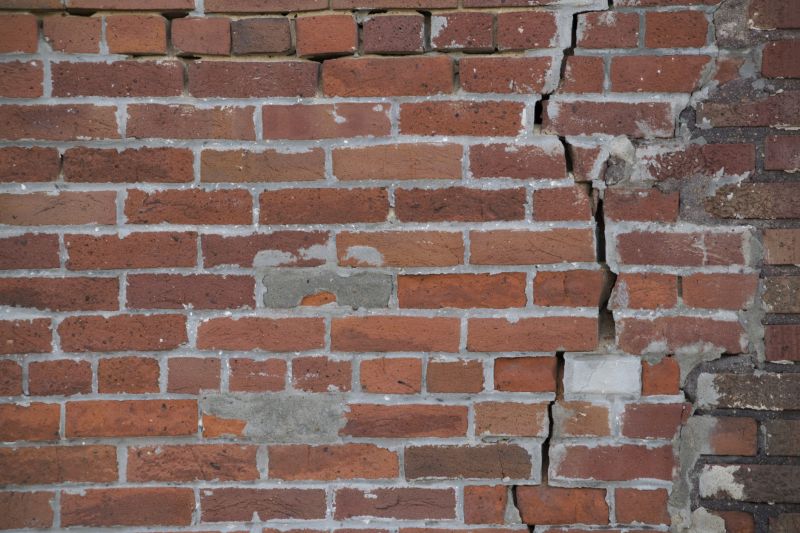
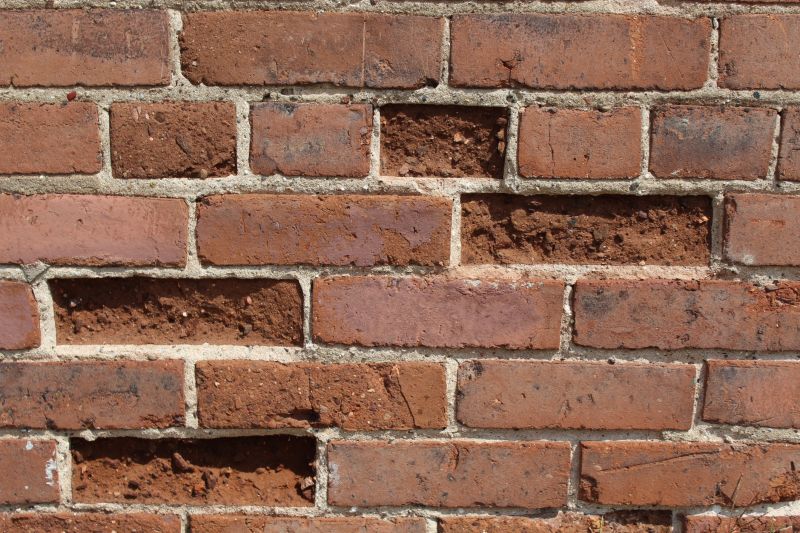
Tuckpointing repair services are often needed when brickwork shows signs of deterioration, such as crumbling mortar joints, cracks, or visible gaps. Property owners in Boston, MA, might seek these services to maintain the structural integrity of historic row houses, apartment buildings, or commercial properties that have experienced weather-related wear or aging mortar. Regular upkeep can help prevent further damage caused by moisture infiltration, which is especially important in the region’s variable climate.
Additionally, many property owners look for tuckpointing repair when they notice aesthetic issues like uneven or deteriorated mortar lines that affect the overall appearance of their building’s facade. Whether preparing a property for sale, restoring a historic feature, or simply wanting to preserve the building’s value, local contractors can handle these repairs efficiently. Connecting with experienced service providers can help ensure that mortar joints are properly restored to protect the structure and enhance curb appeal.
What is tuckpointing repair? Tuckpointing repair involves fixing damaged or deteriorated mortar joints between bricks or stones to restore the structural integrity and appearance of a masonry wall.
Why is tuckpointing important for brick structures? Proper tuckpointing helps prevent water infiltration, reduces the risk of structural damage, and maintains the aesthetic appeal of brick or stone buildings.
How do local contractors assess tuckpointing needs? They typically inspect the mortar joints for cracks, crumbling, or gaps to determine the extent of repair required and recommend appropriate solutions.
What signs indicate that tuckpointing repair may be needed? Visible cracks, missing mortar, crumbling joints, or water stains on interior walls can signal the need for tuckpointing services.
Can tuckpointing repair be combined with other masonry work? Yes, experienced service providers can often perform tuckpointing alongside other masonry repairs or restoration projects to improve overall wall stability and appearance.
Preventing Water Damage - Tuckpointing repair helps keep mortar joints sealed, reducing the risk of water infiltration during heavy rains.
Restoring Curb Appeal - Repairing worn or damaged mortar can improve the appearance of brick exteriors on homes and commercial buildings.
Maintaining Structural Integrity - Addressing cracks and deterioration early can help preserve the stability of brick and masonry structures.
Preparing for Weather Changes - Regular tuckpointing can ensure masonry withstands seasonal temperature fluctuations and freeze-thaw cycles.
If you are thinking about Tuckpointing Repair for a property in Boston, MA, this guide is meant to help you understand the work, the typical project types, and how different options might fit your plans.
When you are ready, you can use the quote form on this page to share a few details about your project. From there, local pros can review the basics and respond with options that match what you have in mind.