Signs Commercial Brick or Stone Mortar Needs Tuckpointing
If signs commercial brick or stone mortar needs tuckpointing, local contractors can assess and repair the mortar to restore the building's stability and appearance.
Property owners in the area often notice signs commercial brick or stone mortar needs tuckpointing when the integrity and appearance of their building's exterior start to show wear. Cracks, crumbling mortar, or areas where the mortar has recessed or fallen away can compromise the structural stability and curb appeal of commercial properties. Addressing these issues promptly can help maintain the building’s value and prevent more costly repairs down the line. For those observing these signs, connecting with skilled local contractors who specialize in tuckpointing can be an effective way to restore the strength and beauty of brick or stone facades.
Exploring options for tuckpointing services is a practical step for property owners looking to preserve the longevity of their brick or stone structures. Experienced service providers understand how to carefully remove damaged mortar and replace it with fresh material that matches the original, ensuring the building’s appearance remains consistent. Whether for routine maintenance or addressing specific signs of deterioration, working with local contractors who excel in brick and stone mortar needs can help keep commercial properties in top condition, making it easier to protect investments and maintain an attractive, professional look.
- Signs commercial brick or stone mortar needs tuckpointing - property owners may notice cracked or deteriorating mortar that requires expert repair to restore structural integrity, with local contractors specializing in tuckpointing techniques.
- Signs commercial brick or stone mortar needs tuckpointing - buildings showing visible gaps or crumbling mortar joints often need tuckpointing services to prevent further damage, which local pros can provide efficiently.
- Signs commercial brick or stone mortar needs tuckpointing - when brick or stone surfaces appear stained or discolored due to mortar deterioration, service providers can perform tuckpointing to improve appearance and durability.
- Signs commercial brick or stone mortar needs tuckpointing - water infiltration or moisture issues around brick or stone facades may indicate the need for tuckpointing, with local contractors assessing and addressing the problem.
- Signs commercial brick or stone mortar needs tuckpointing - structural concerns or shifting masonry can signal mortar failure, prompting property managers to seek tuckpointing services from experienced local pros.
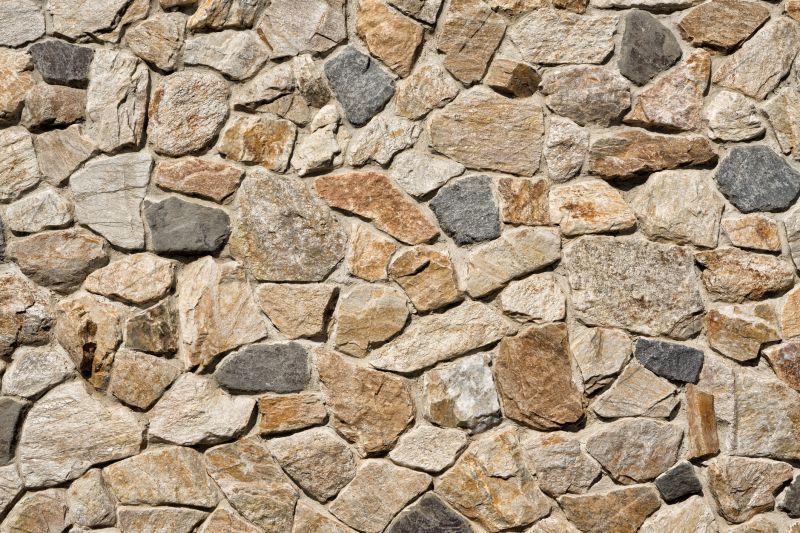
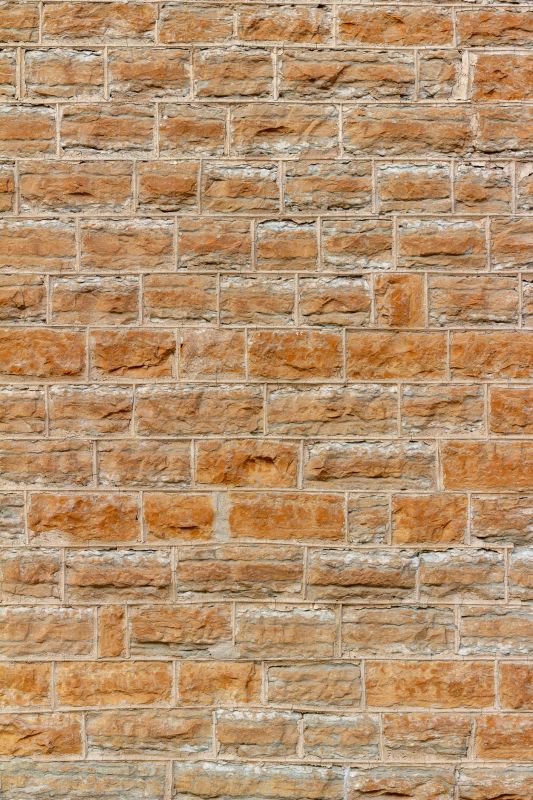
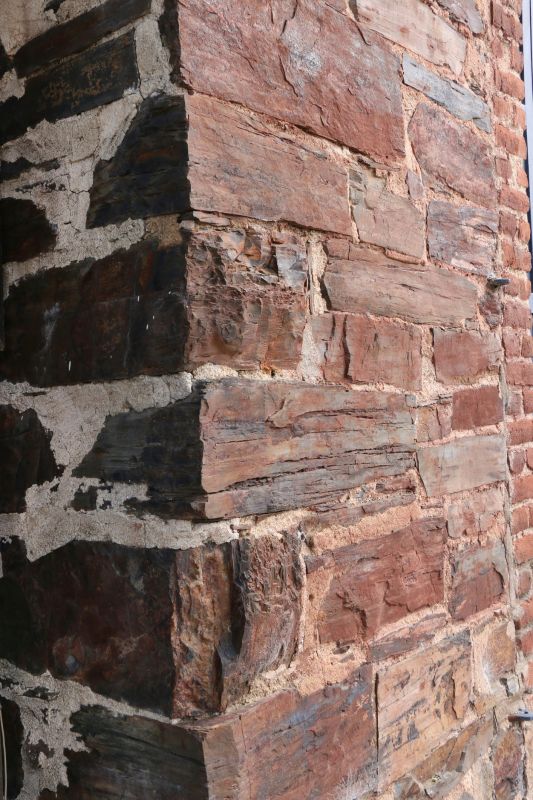
When people search for signs commercial brick or stone mortar needs tuckpointing, they are often noticing visible issues with their building’s masonry that indicate underlying problems. Commonly, these signs include cracked, crumbling, or missing mortar joints, which can compromise the structural integrity and appearance of the brick or stonework. Discoloration, efflorescence, or gaps between bricks and stones may also signal that the mortar is deteriorating and requires attention. Recognizing these signs early can help property owners prevent more extensive damage, making it important to understand how tuckpointing can restore and protect their masonry surfaces.
The need for tuckpointing typically relates to ongoing maintenance projects or renovation plans aimed at preserving a building’s aesthetic appeal and stability. Over time, mortar can weaken due to weather exposure, age, or improper initial installation. When mortar deteriorates, it can lead to water infiltration, which may cause further damage to bricks or stones, including cracking or spalling. Property owners often seek tuckpointing services as part of a larger effort to maintain the value of commercial or residential structures, or to prepare a building for sale or lease. Properly performed tuckpointing not only enhances visual appeal but also extends the lifespan of the masonry.
Various types of properties encounter the need for tuckpointing, with commercial buildings being among the most common. Office complexes, retail storefronts, and multi-unit apartment buildings frequently feature brick or stone exteriors that require periodic maintenance. Historic buildings, in particular, often need specialized attention to preserve their original craftsmanship while ensuring safety and durability. Residential properties, especially older homes with brick facades, may also show signs of mortar deterioration. Regardless of the property type, the goal is to restore the mortar joints to prevent further damage and maintain the structural integrity of the masonry.
Local contractors who specialize in brick and stone tuckpointing are equipped to evaluate the condition of mortar joints and recommend appropriate repair strategies. These service providers understand how to match mortar colors and textures to blend seamlessly with existing masonry, ensuring repairs are both functional and visually consistent. For property owners noticing signs that commercial brick or stone mortar needs tuckpointing, connecting with experienced local pros can facilitate timely repairs that protect the building’s value and appearance. Properly addressed issues can help avoid more costly repairs down the line and keep masonry surfaces resilient against the elements.
Historic masonry restoration involves repairing and preserving old brick or stone structures, requiring similar skills and tools used in tuckpointing to ensure structural integrity and aesthetic appeal.
Brick veneer repair projects focus on restoring or replacing damaged brick facades, which often involves matching mortar joints and planning precise removal and reapplication techniques.
Chimney repair and repointing services address deteriorated mortar joints in chimneys, utilizing similar methods and tools as those used in tuckpointing to restore stability and prevent leaks.
Foundation wall sealing projects involve sealing cracks and gaps in brick or stone foundations, requiring careful mortar work comparable to tuckpointing for effective sealing and durability.
Exterior masonry cleaning and surface preparation prepares brick or stone surfaces for repairs, involving cleaning techniques that are often used before tuckpointing to ensure proper adhesion.
Stone veneer installation involves attaching thin stone layers to existing surfaces, which can require matching mortar joints and planning similar to tuckpointing for a seamless finish.
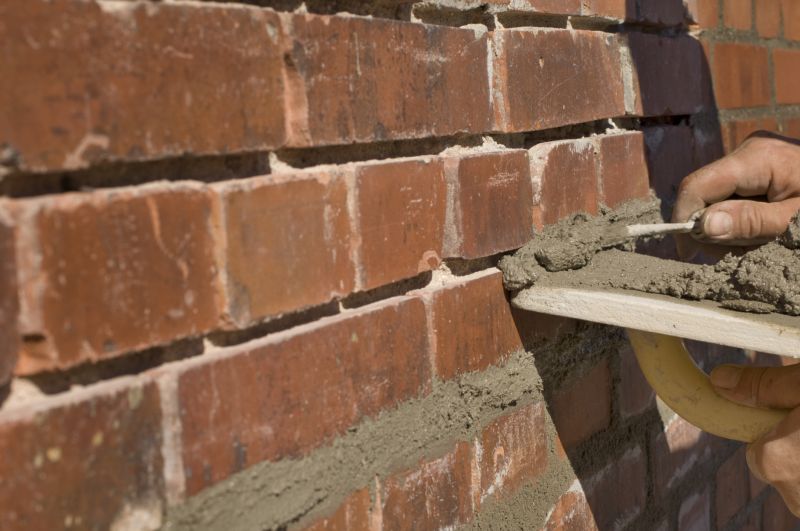
When evaluating service providers for signs commercial brick or stone mortar needs tuckpointing, it is important to consider their experience with similar projects. A contractor who has handled brick or stone tuckpointing for commercial properties will be familiar with the unique challenges and requirements of such work. This experience can contribute to a more efficient process and a higher quality result. Homeowners should inquire about the types of projects a contractor has completed, ensuring they have a proven track record with projects comparable in scope and materials.
Clear written expectations are essential when selecting a contractor for tuckpointing services. A reputable service provider should be able to provide detailed descriptions of the work involved, including the scope, materials, and methods used. Having this information in writing helps ensure there is a shared understanding of the project’s goals and prevents misunderstandings later on. Homeowners are encouraged to ask for detailed estimates or proposals that outline what will be done, so they can compare offerings and make informed decisions.
Reputable references and good communication are key indicators of a reliable contractor. Homeowners should seek out service providers who can provide references from previous clients with similar projects, offering insight into the contractor’s workmanship and professionalism. Additionally, a contractor’s responsiveness and clarity in communication can make the project smoother and more predictable. Clear, prompt, and transparent communication helps homeowners feel confident in the process and ensures that any questions or concerns are addressed throughout the project.
Property owners often search for signs commercial brick or stone mortar needs tuckpointing when they are planning practical projects around their homes and businesses. Local pros provide Brick or Stone Tuckpointing services for everyday jobs and straightforward project options.
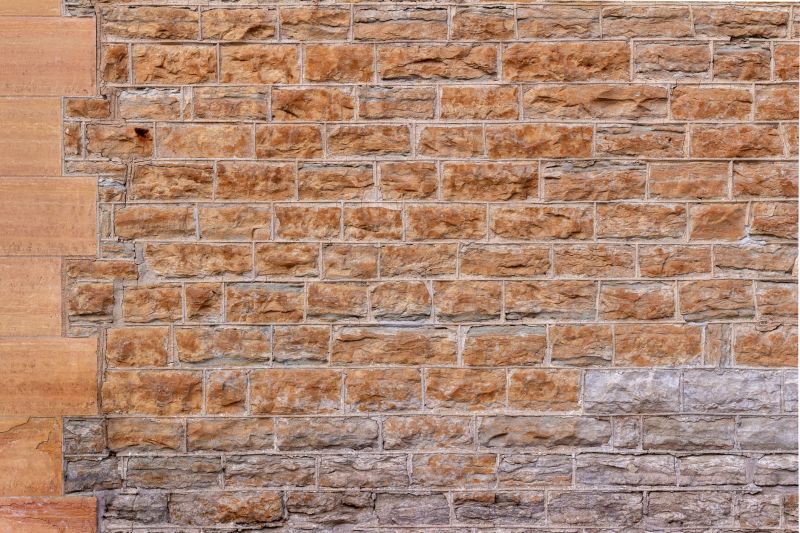
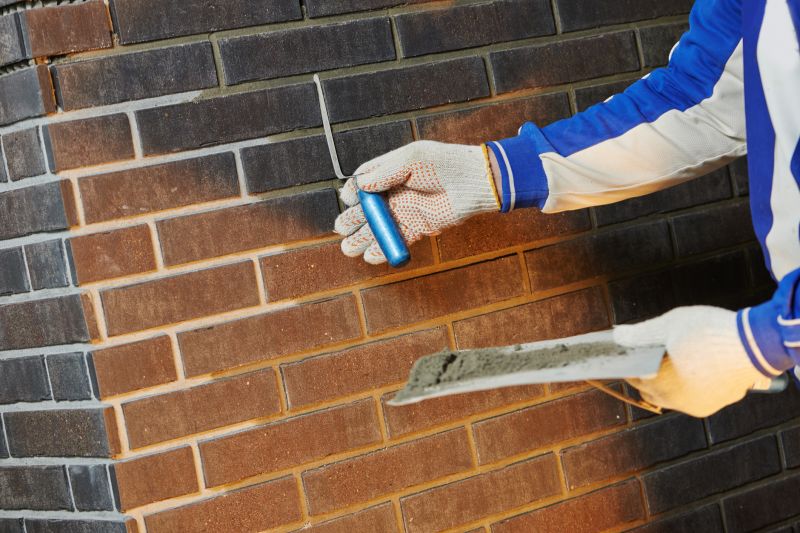
Property owners who notice cracks, crumbling mortar, or signs of weather damage on their brick or stone facades may consider tuckpointing services to restore the integrity of their structures. These issues can develop over time due to exposure to the elements, shifting foundations, or general wear and tear, making it important to address them before they lead to more significant problems. Local contractors experienced in brick and stone work can assess the condition of the mortar joints and recommend appropriate repairs to maintain the building’s appearance and stability.
Many property owners seek out tuckpointing services when they observe loose or deteriorating mortar that jeopardizes the safety or aesthetic appeal of their buildings. Whether for a commercial property or a residential structure, timely repairs can help prevent water infiltration, structural damage, and further deterioration. Connecting with local service providers who specialize in brick and stone mortar repair allows property owners to find knowledgeable professionals capable of handling these projects efficiently and effectively.
What are common signs that commercial brick or stone mortar needs tuckpointing? Visible cracks, crumbling mortar, and gaps between bricks or stones often indicate the need for tuckpointing services from local contractors.
How can I tell if the mortar in my commercial building is deteriorating? Signs include loose or missing mortar, water infiltration, and visible deterioration around mortar joints, which can be addressed by local pros specializing in tuckpointing.
Why is it important to address signs of mortar deterioration in brick or stone structures? Prompt attention helps prevent structural issues, water damage, and further mortar decay, ensuring the longevity of the building with help from local contractors.
Are there specific signs that indicate tuckpointing is needed on a commercial property? Yes, signs such as cracked, crumbling, or missing mortar, as well as efflorescence or water stains, suggest that tuckpointing services from local pros are necessary.
What should I look for when considering professional tuckpointing services for my brick or stone building? Look for signs of mortar damage, such as cracks or gaps, and ensure the service providers are experienced in handling commercial brick or stone structures.
Identifying cracked or deteriorating mortar - property owners can inspect their brick or stone walls regularly to spot signs that indicate tuckpointing needs. Local contractors can assess these issues and recommend necessary repairs.
Noticing loose or crumbling mortar joints - when mortar begins to fall out or feels unstable, it’s a clear sign that tuckpointing may be needed to maintain the structure’s integrity.
Observing water penetration or staining - water leaks or stains on brick or stone surfaces can signal compromised mortar that requires professional tuckpointing services.
Monitoring for uneven or bulging brickwork - shifts or bulges in brick or stone can suggest mortar failure, prompting property owners to seek local pros for evaluation and repair.
If you are thinking about signs commercial brick or stone mortar needs tuckpointing for a property, this guide is meant to help you understand this topic, the typical project types, and how different options might fit your plans.
When you are ready, you can use the quote form on this page to share a few details about your project. From there, local pros can review the basics and follow up with options that match what you have in mind.